February 2, 2026 Vantage Magazine

“So, let’s be real, how long do you spend scrolling on Netflix? You can go like 30 minutes, an hour. Maybe that’s your whole night. Maybe added a few things to your list. You didn’t watch them, you’re not in the mood to watch that now. While walking through literal physical aisles and movies, it is so much easier,” said Doran Konja, owner of the last DVD rental store in Michigan, Occult 83.
Get ready for the oxymoron of the century: Physical media is making a comeback on social media.
There are many reasons for this trend- DVDs shield consumers from rising subscription costs and vinyls support artists much more than streaming.
A major facet of physical media is intentional consumption: the deliberate use of entertainment instead of passively absorbing it. Vinyl and DVD shops are a haven for phone-free entertainment. Sifting through boxes or isles of records, CDs and DVDs with a wish-list is a fun way to consciously craft a media library.
Benefiting from an opulent artist community means giving back to it: here’s some reasons to frequent your local physical media shops.
SUPPORT MICHIGAN ARTISTS
Picture this: you make a movie or an album and want community feedback. You post it on YouTube. Without specific location targeting, it’s not recommended to people’s feeds near you. You post it on your own website or one with a poor algorithm, but no one finds it organically. Its runtime is too long to post on shortform content sites so you’re stuck with a finished product and nowhere for it to be seen. Converting it to a DVD or vinyl and selling it to local stores with a built-in community is an option that is being lost in many major cities, but is still strong in Detroit.
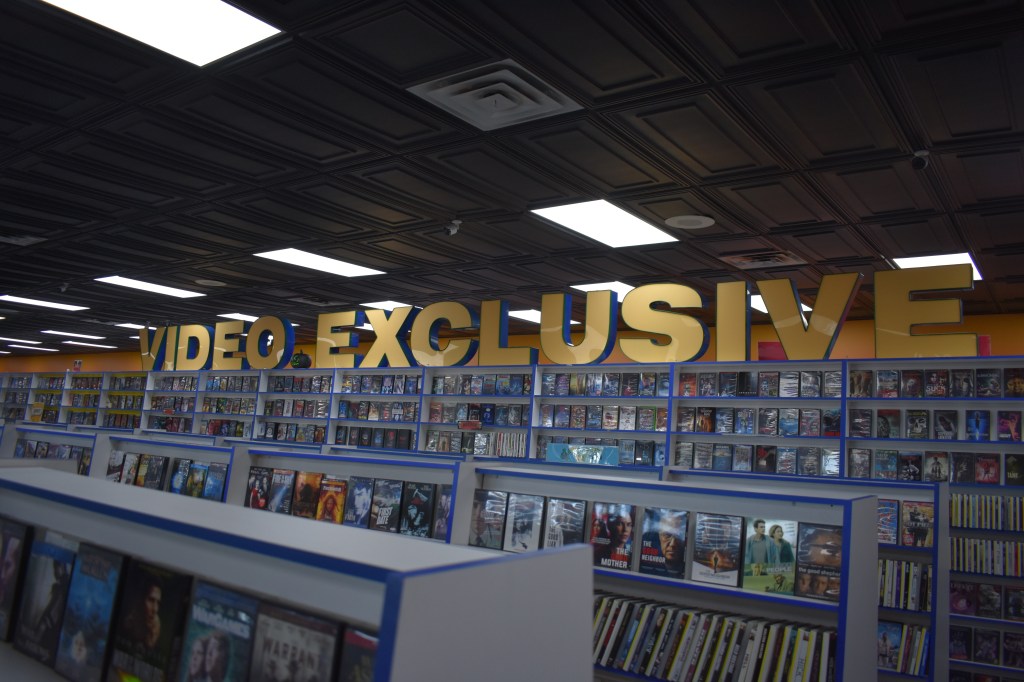
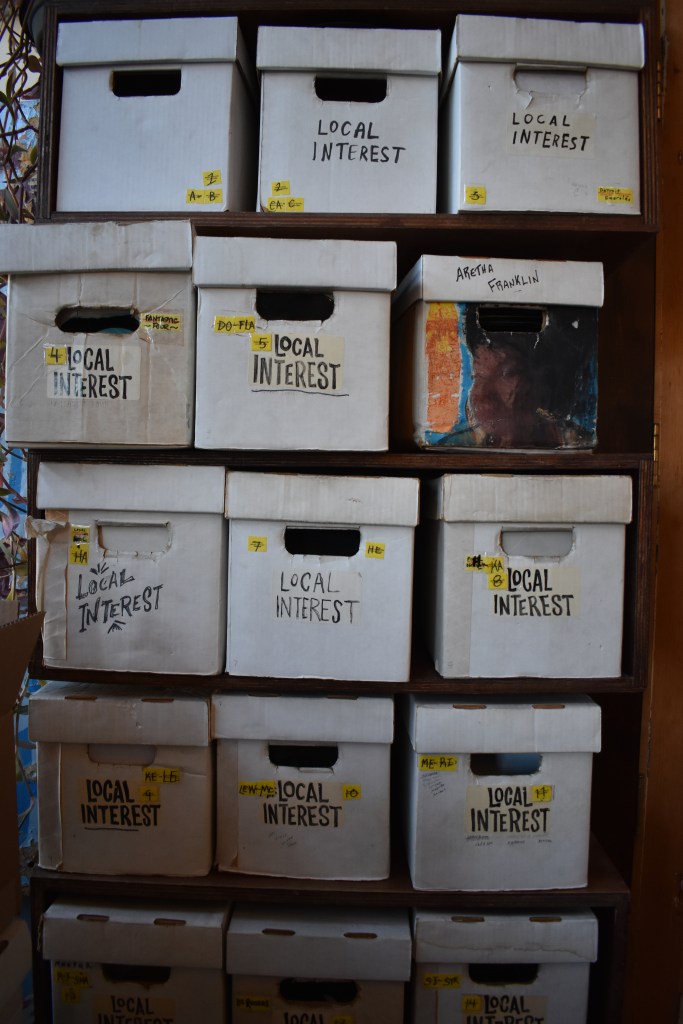
“One of the big aspects that I’ve noticed about the business is that we’ve just naturally grown a community regarding physical media, but also filmmakers and film buffs. And when you’re a big believer in something, you also want to get your hands wet and create, so there’s a lot of local people who’ve made movies or short films. But there’s no central hub really in Michigan, or in most states, to actually find these locally made things. In our little way, we built up a small library that’s slowly growing. It makes you more proud, but also inspires you more that you can do it,” said Konja.
Physical media also archives artists in Michigan’s past. The feelings, struggles and triumphs felt by your favorite producer’s favorite producer. People’s Records owner Brad Hales said Michigan artists are unique and have a deep history.
“I think our contribution is special, it’s just different from Ohio or Illinois. They all have their own history too, which are great. But if you look at just certain areas, it’s interesting to study. The connections of who did what first, how things happened, or where. There’s a whole spider web to it,” Hales explained.
OWNING USEABLE COLLECTABLES
Konja pointed out the obvious about millennials and Gen-Z entering the adult world: we don’t own much. Millions are shelving their dreams of home and car ownership,so slowly building a permanent media collection is tiding many young people over.
“You own nothing nowadays, and it’s all owned by these, like, megacorps that you don’t know. In theory, you could debate renting a DVD here also means you’re not owning it, but it still physically exists at a place, and it’s not going to disappear anytime soon,” said Konja.
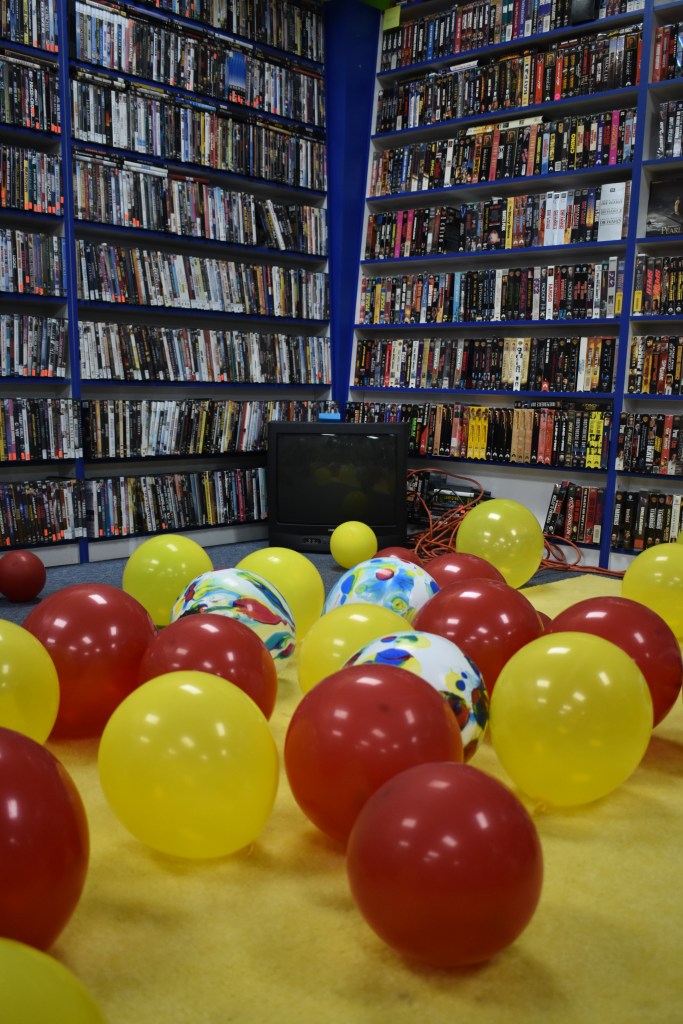
Physical media is more than a functional collection; it captures the uncensored allure of niche and mainstream media and the era it was created. It’s rewarding learning esoteric details gleaned from meticulously scanning the cover of a CD or DVD.
“People do like to hold something in their hand or look at it. Oftentimes, there’s artwork that gives you the spirit of the times. What typefaces did they like? What did the person’s photograph look like? That gives you a lot of information. You could find all that online, but holding it in one kind of encapsulated package is easy to digest,” said Hales.
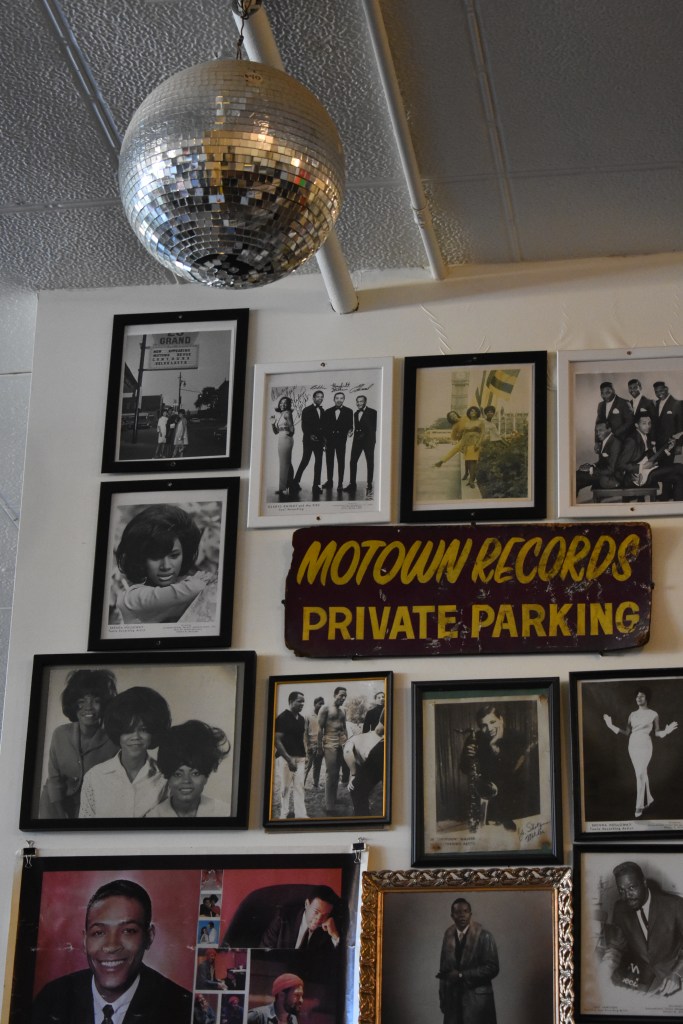
Collectors have kept commodities alive that could have been a brief fad in an alternate universe. Whether the collectables have a purpose or sit on a shelf is irrelevant to a collector’s spirit.
“Millennials brought back final records. Gen Z is bringing back VHS now. Truly, the collector habit of it all is what’s kind of driving people wanting to explore this older format experience,” said Konja.
Collectors come in many forms with many purposes, DJs being one that reinvent their collection to a new format: live experiences. Hales was a DJ long before his business-owning days and clarified that in the music performance world, having the physical record is important to a DJ’s authenticity.
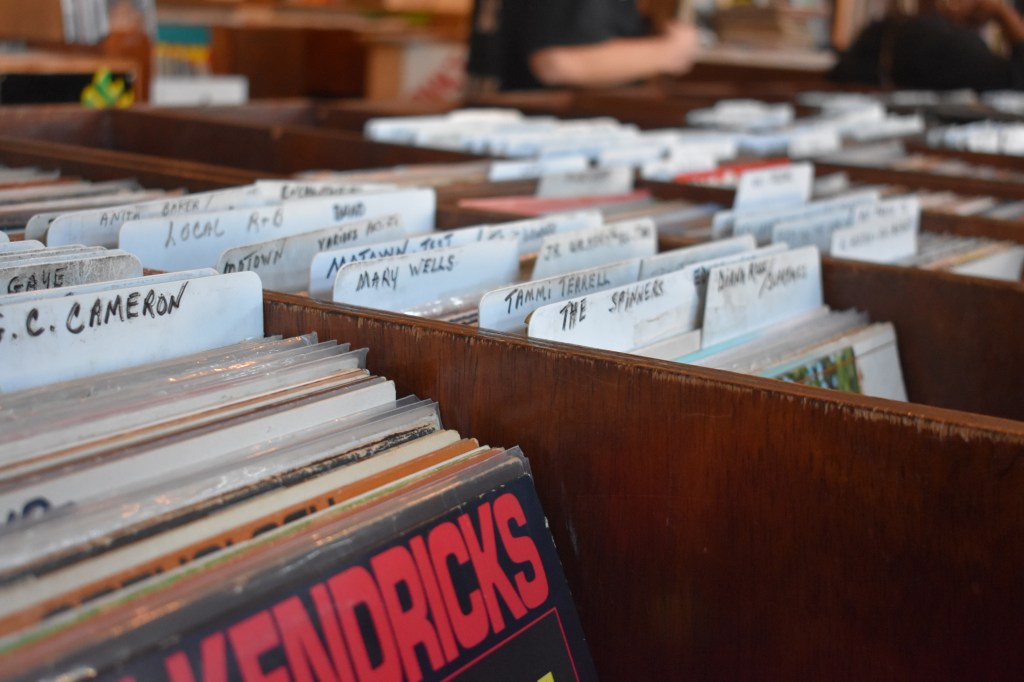
“You have to have the record itself. There, they would not be impressed if you have an MP3 of that or the reissue of it, or even having it on an album,” explained Hales about music events he performed at in Germany, Mexico, and France.
PHYSICAL MEDIA’S ROLE IN SOCIETY
Physical media represents more than just the art made, but also a time when you knew your local DVD shop’s cashiers.
“The organic nature of discovery goes through to the ethos of the origins of video stores, where it’s like that interpersonal communication, that chit-chatting with people and customers, and I think it’s like part of the loneliness epidemic that we experience,” said Konja.
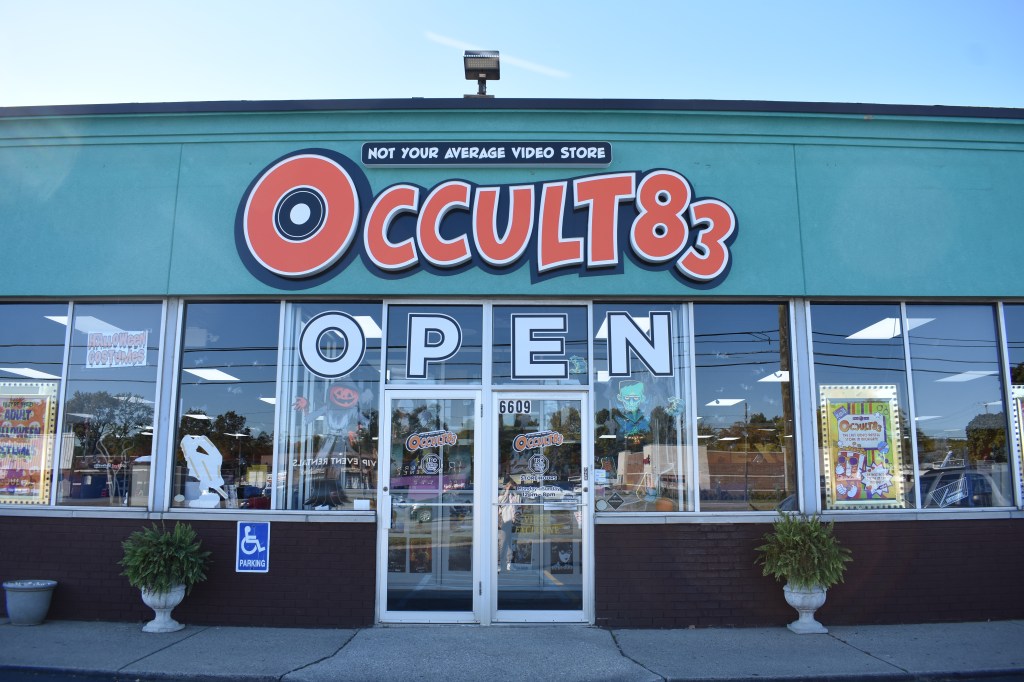
While it freaks him out a little, Konja likes being recognised in public as the DVD store guy because it represents the small daily emotional connections he makes with his community.
“The number one thing you miss out on with streaming is the interpersonal connection you have with the people around you. The reason we’ve been able to evolve and get to where we are is because we’ve had conversations. We built this community, we built as a culture, we built together. We are not designed to be singular by ourselves,” said Konja.
Algorithms want to divide their users into distinct bubbles that don’t intersect, but simply interacting with the world swells our bubbles to overlap with the greater, beautiful community around us.
 KaseyDeschler.com